
Have you ever walked into your practice in the morning feeling organised, only to discover a missing item just before the first patient arrives? That split second of panic sets the tone for the whole day. A smooth morning workflow is not about luck. It is about reliable stock management, real time visibility, and a proactive system that works quietly in the background.
When inventory accuracy, automated reorder triggers, and clear team task alignment come together, your day starts with clarity instead of chaos. Reliable stock levels create dependable routines. Real time inventory updates remove uncertainty. Instead of reacting to low stock alerts mid appointment, you begin the day with a complete daily stock snapshot and confidence in your operatory readiness.
Why Does Morning Workflow Optimisation Depend on Real Time Inventory Visibility?
Morning workflow optimisation starts with knowing exactly what you have on hand. Real time inventory updates allow your team to access stock status visibility before the first patient sits down. When inventory accuracy metrics are strong, task handoff efficiency improves.
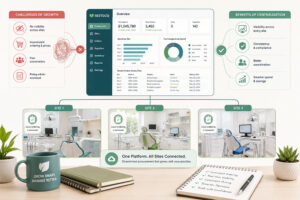
A centralised, intuitive dashboard provides:
- Real time stock level snapshot
- Low inventory alerts
- Forecasted order levels
- Supplier lead time awareness
- Automated reorder queue
These features reduce workflow bottlenecks and eliminate guesswork. Rather than searching cupboards or checking spreadsheets, your team relies on a centralised, cross team accessible system that is dependable and error proof.
Key Workflow Elements That Drive Daily Readiness
- Real time stock level snapshot
- Low stock alert triggers
- Automated reorder queue
- Allocated user roles for ordering
- Supplier tick off and delivery status
- Morning report summary dashboard
Each element contributes to a streamlined, responsive start to the day. Proactive replenishment based on consumption patterns prevents last minute scrambling.
How Do Automated Reorder Triggers Remove Mid Day Disruption?
Automated reorder triggers are more than a convenience. They are a safeguard against reactive restocking. When consumption patterns and data driven alert signals are monitored, forecasted order levels can be adjusted before shortages occur.
Instead of manual checks, a proactive, repeatable system flags low inventory alerts. This anticipatory approach ensures that operatory readiness is consistent across the week. A responsive workflow reduces stress and enhances team confidence.
Below is a breakdown of how specific features influence daily performance.
| Feature | Purpose | Benefit |
| Daily stock snapshot | Show current levels | Start day with clarity |
| Automated alerts | Warn before lows | Prevent mid day shortages |
| Centralised orders | Combine supplier lists | Save admin time |
| Role assignments | Delegate ordering tasks | Reduce single point failures |
| Delivery previews | Track incoming stock | Align scheduling |
By centralising orders and assigning roles clearly, accountability improves. Clear team task alignment reduces duplicated effort and strengthens operational predictability.
What Role Do Consumption Patterns and Data Insights Play in Planning Ahead?
Reliable stock management depends on understanding SKU utilisation patterns and inventory accuracy metrics. When ordering data reflects real usage, your practice can forecast demand rather than reacting to it.
Monitoring:
- Order frequency
- Peak usage patterns
- Lead time performance
- Order cost variance
- Supplier reliability
helps create a predictive, actionable system. Historical and comparable data allows you to adjust reorder thresholds in advance.
For example, if seasonal demand forecasts show a recurring spike in certain materials, proactive replenishment ensures continuity. A dependable, analytic approach eliminates workflow bottlenecks that typically arise from overlooked consumption trends.
How Can Better Supplier Organisation Support a Calm Start to the Day?
Supplier organisation directly influences morning workflow. Fragmented contact information, variable pricing, and inconsistent delivery planning create unnecessary friction. An organised supplier ecosystem is transparent and quality controlled.
Key supplier organisation goals include:
- Unified supplier dashboard
- Standardised contracts
- Supplier tiering
- Documented pricing history
- Delivery calendar synchronisation
When preferred supplier lists and pricing standardisation are in place, consolidated orders become easier to manage. Supplier performance tracking, including delivery reliability scores and SLA adherence, ensures that deliveries arrive when expected.
| Supplier Organisation Punchpoint | Precise Fix | Result |
| Fragmented contact info | Single supplier database | Faster ordering |
| Variable pricing | Standardised price reference | Spend consistency |
| Overlapping products | Consolidated suppliers | Remove duplicates |
| Late deliveries | Track delivery times | Better planning |
| Unknown quality | Supplier performance data | Better vetting |
An organised, accessible supplier system reduces everyday chaos before it begins.
How Does Real Time Spend Awareness Prevent End of Month Panic?
A smooth morning workflow is closely linked to financial visibility. Real time spend tracking ensures that expenditure pacing aligns with budget thresholds. Without it, month end reconciliation becomes stressful.
Real time dashboards offer:
- Live cost data
- Threshold alerts
- Order versus budget comparison
- Monthly trendline visuals
- Variance tracking
| Visibility Feature | Goal | Value |
| Real time spend | Avoid surprises | Controlled budgets |
| Threshold alerts | Warn before overspend | Better discipline |
| Comparative reporting | See month versus baseline | Informed decisions |
| Variance charts | Spot anomalies | Proactive action |
By integrating supplier invoice sync and spend forecast signals, your practice gains anticipatory insight. Budget aligned, traceable spending removes financial guesswork from operational planning.
Why Are Practices Moving Away From Manual Ordering Systems?
Manual ordering often relies on spreadsheets, handwritten logs, and email chains. These systems are vulnerable to spreadsheet limitations, inconsistent stock logging, and forgotten orders. Missed reorder signals lead to reactive restocking.
Common pain points include:
- Spreadsheet errors
- Forgotten supplier emails
- Missed low stock alerts
- Late deliveries
- Double entries
Digital ordering replaces manual systems with automation, accuracy, visibility, and consistency.
| Manual Ordering Issue | Digital Counterpart | Advantage |
| Handwritten logs | Automated inventory | Fewer mistakes |
| Email orders | Central ordering portal | Better tracking |
| Separate price tracking | Integrated price lists | Spend control |
| No alerts | Real time alerts | Prevent stockouts |
Shifting to automated, traceable systems improves operational health metrics and reduces human workload.
How Can Restocq Elevate Your Workflow From Reactive to Predictive?
Reliable stock management requires more than software. It requires a centralised, intuitive, and responsive platform that integrates ordering trends, spend analytics, supplier organisation, and automated alerts into one seamless experience.
Restocq provides a proactive, data driven solution that brings together inventory accuracy, supplier performance tracking, budget visibility, and automated reorder triggers in one streamlined system. By consolidating supplier lists, offering real time spend dashboards, and delivering actionable insights based on consumption patterns, Restocq transforms everyday operations into a predictable, low friction workflow.
Instead of managing fragmented systems, your practice gains a single, dependable platform that supports team confidence, operational clarity, and long term growth.
References
- Australian Commission on Safety and Quality in Health Care. National Safety and Quality Health Service Standards.
- Australian Government Department of Industry, Science and Resources. Supply chain resilience initiatives.
- Chartered Institute of Procurement and Supply Australia. Procurement and supply management insights.
FAQs
1. How often should stock levels be reviewed in a dental practice?
Stock levels should be reviewed in real time through an automated system, with summary snapshots checked daily to ensure operatory readiness.
2. What is the main benefit of automated reorder triggers?
Automated reorder triggers prevent stockouts by alerting teams before inventory reaches critical levels, reducing disruption.
3. How does supplier organisation improve workflow?
A unified supplier dashboard and standardised pricing reduce confusion, duplication, and delivery delays.
4. Why is real time spend tracking important?
Real time spend tracking ensures expenditure pacing aligns with budgets and prevents month end financial stress.
5. What risks come with manual ordering systems?
Manual systems increase the likelihood of spreadsheet errors, forgotten orders, and inconsistent stock logging.
6. Can ordering data really show practice growth trends?
Yes. Monitoring order frequency, SKU utilisation patterns, and month over month spend provides valuable insight into operational expansion and demand changes.