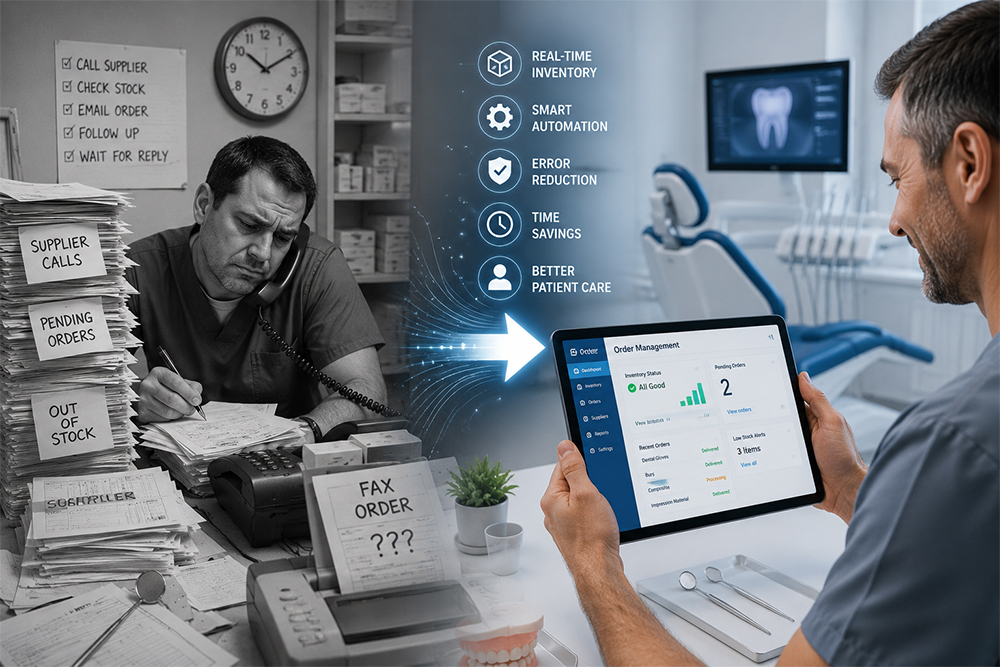
For years, manual ordering felt normal. A spreadsheet here, a notebook there, a few supplier emails saved in someone’s inbox. It worked well enough, until it did not. A missed reorder signal, an overlooked low stock alert, or a pricing discrepancy suddenly exposed how fragile the system really was.
Today, practices are shifting away from manual ordering systems not because they are trendy, but because they are limiting. When inventory accuracy, spend analytics, and supplier organisation become central to daily operations, handwritten logs and disconnected spreadsheets can no longer keep up. Automation, visibility, and traceable workflows are replacing guesswork and reactive restocking.
How Do Spreadsheet Limitations Quietly Undermine Inventory Accuracy?
Spreadsheets often appear organised on the surface. However, they rely on manual data entry, memory, and human consistency. Inconsistent stock logging and missed reorder signals are common in environments where updates are not automated.
Typical issues with manual systems include:
- Spreadsheet errors
- Forgotten supplier emails
- Missed low stock alerts
- Double entries
- Reactive restocking
Without real time inventory updates, practices rely on periodic checks rather than continuous visibility. This creates workflow bottlenecks that surface at the worst possible moments, often during peak patient hours.
| Manual Ordering Issue | Digital Counterpart | Advantage |
| Handwritten logs | Automated inventory | Fewer mistakes |
| Email orders | Central ordering portal | Better tracking |
| Separate price tracking | Integrated price lists | Spend control |
| No alerts | Real time alerts | Prevent stockouts |
Digital ordering platforms provide automation, accuracy, and consistency. Inventory accuracy metrics improve because the system records consumption patterns automatically rather than depending on manual updates.
Why Is Visibility the New Standard in Procurement?
Visibility changes behaviour. When teams can see live cost data, order frequency, and supplier reliability in one centralised dashboard, decisions become analytic and actionable rather than reactive.
Manual systems rarely offer:
- Real time spend tracking
- Threshold alerts
- Forecasted order levels
- Supplier lead time awareness
- Centralised pricing history
Without these features, budget thresholds are often reviewed only at the end of the month. That delay creates the familiar sense of end of month panic.
In contrast, automated systems provide spend dashboards and variance tracking throughout the month. Order versus budget comparison becomes immediate rather than retrospective.
| Visibility Feature | Goal | Value |
| Real time spend | Avoid surprises | Controlled budgets |
| Threshold alerts | Warn before overspend | Better discipline |
| Comparative reporting | See month versus baseline | Informed decisions |
| Variance charts | Spot anomalies | Proactive action |
Financial clarity reduces stress and improves operational predictability.
How Do Automated Reorder Triggers Support Morning Workflow Optimisation?
Morning workflow optimisation depends on operatory readiness. Manual systems often rely on someone remembering to check stock at the end of the week. Automated reorder triggers remove that dependency.
Essential workflow elements supported by digital systems include:
- Real time stock level snapshot
- Low inventory alerts
- Automated reorder queue
- Allocated user roles for ordering
- Supplier tick off and delivery status
- Morning report summary dashboard
Proactive replenishment ensures dependable stock levels before they become critical. Instead of reactive restocking, practices operate with predictive clarity.
Inventory accuracy and consumption patterns become visible, allowing reorder thresholds to adjust based on actual usage rather than assumptions.
How Does Digital Procurement Improve Supplier Organisation?
Manual ordering systems rarely track supplier performance in a structured way. Fragmented contact information, undocumented pricing variance, and overlapping products contribute to inefficiency.
Digital systems centralise:
- Preferred supplier lists
- Supplier tiering
- Delivery reliability scores
- SLA adherence
- Documented pricing history
| Supplier Organisation Punchpoint | Precise Fix | Result |
| Fragmented contact info | Single supplier database | Faster ordering |
| Variable pricing | Standardised price reference | Spend consistency |
| Overlapping products | Consolidated suppliers | Remove duplicates |
| Late deliveries | Track delivery times | Better planning |
| Unknown quality | Supplier performance data | Better vetting |
Supplier performance tracking introduces measurable accountability. When delivery consistency and lead time performance are documented, practices can make informed adjustments.
What Can Ordering Data Reveal About Practice Growth?
Ordering data is a powerful growth indicator. Average order frequency, spend per category, and SKU utilisation patterns reflect service demand and expansion trends.
Monitoring:
- Month over month spend
- Seasonal demand forecasts
- Order cost variance
- Product category growth
- Supplier reliability
creates predictive insight into operational health metrics.
| Data Type | Interpretation | Strategic Action |
| Order frequency | Demand cycles | Adjust reorder thresholds |
| Spend patterns | Budget allocation | Review supplier contracts |
| Seasonal spikes | Usage increases | Forecast demand |
| Supplier delays | Performance gaps | Evaluate alternatives |
| SKU growth | Rising demand | Scale procurement |
Digital systems transform historical and comparable data into actionable intelligence. Practices gain the ability to forecast demand rather than simply respond to it.
How Is Real Time Spend Awareness Changing Financial Discipline?
Real time spend awareness prevents surprises. Instead of waiting for invoices to accumulate, practices monitor expenditure pacing daily.
Budget aligned systems allow:
- Live cost visibility
- Threshold alerts before overspend
- Comparative reporting
- Spend forecast signals
- Supplier invoice sync
When financial data is traceable and immediate, confidence improves across the team. Operational clarity replaces uncertainty.
How Can Restocq Support the Transition From Manual to Predictive Systems?
Restocq integrates automated inventory, supplier organisation, spend analytics, and performance tracking into one centralised platform. Rather than juggling spreadsheets and disconnected emails, practices gain real time visibility and predictive control.
With unified supplier dashboards, automated reorder triggers, and live spend tracking, Restocq removes manual friction from procurement. Consumption patterns, lead time awareness, and pricing standardisation are consolidated into a streamlined, intuitive interface.
By transitioning from manual ordering systems to structured, automated workflows, practices reduce errors, eliminate duplication, and support sustainable growth.
References
- Australian Commission on Safety and Quality in Health Care. Governance and operational standards.
- Australian Government Department of Industry, Science and Resources. Supply chain resilience initiatives.
- Chartered Institute of Procurement and Supply Australia. Procurement best practice guidance.
FAQs
1. Why are manual ordering systems becoming outdated?
They rely heavily on manual data entry and lack real time visibility, increasing the risk of errors and stock shortages.
2. How do automated reorder triggers work?
They monitor consumption patterns and alert teams when inventory reaches predefined thresholds.
3. What benefits does centralised pricing provide?
It reduces pricing variance and improves budget discipline.
4. Can digital ordering improve supplier reliability?
Yes. Performance tracking and delivery monitoring introduce measurable accountability.
5. How does ordering data reflect practice growth?
Trends in SKU utilisation and month over month spend indicate increasing demand and expansion.
6. What is the biggest advantage of real time spend awareness?
It prevents end of month surprises by providing continuous financial visibility.